Bateman Sprayers | News | Company Updates | From Hertfordshire to New Zealand: Why Bateman still means home to James Watts
From Hertfordshire to New Zealand: Why Bateman still means home to James Watts
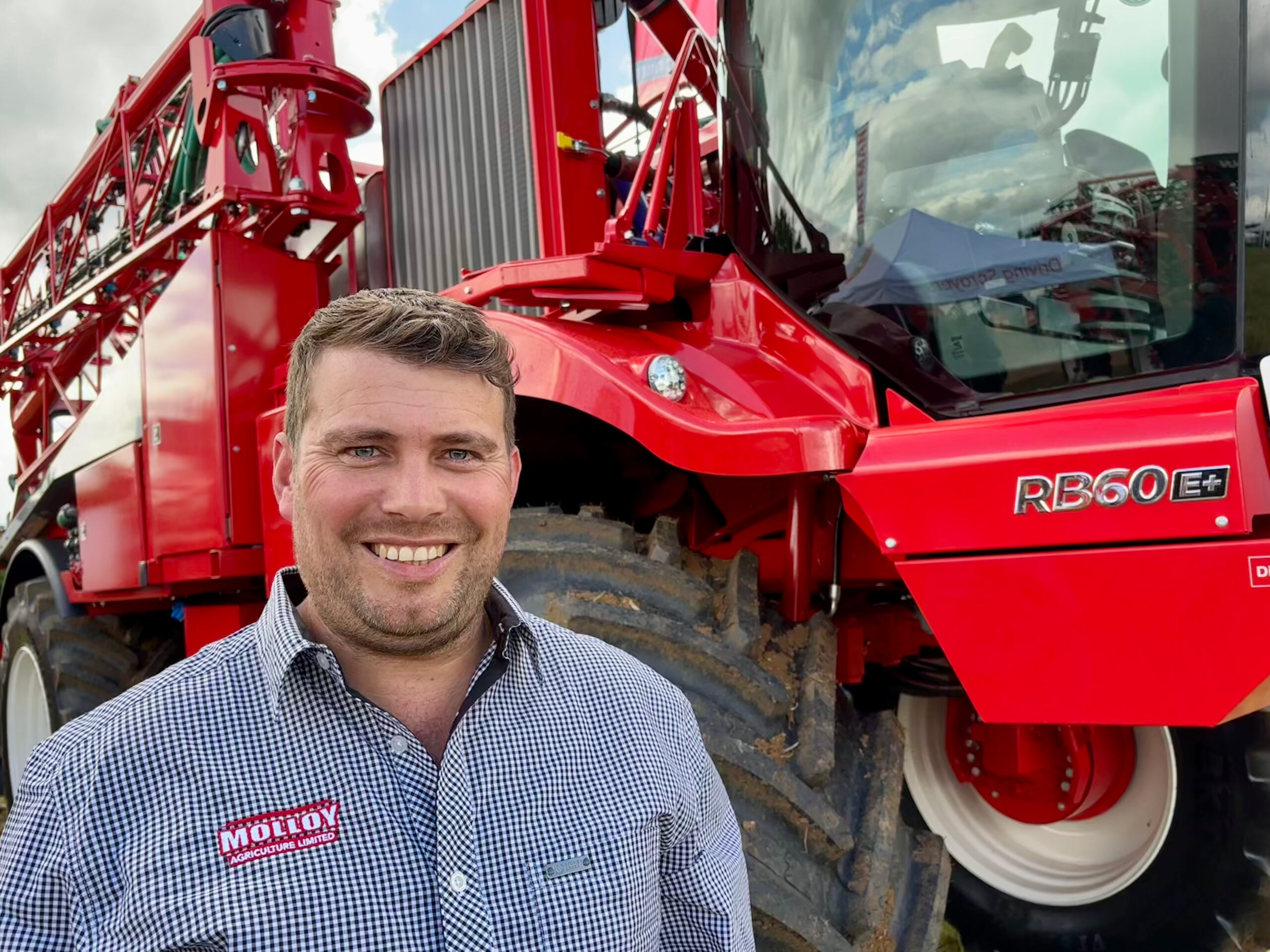
During day one of Cereals 2026, we caught up with a visitor who had travelled a long way to be there.
James Watts is a sprayer operator for Molloy Ag, Bateman’s approved partner in New Zealand and a long-standing Bateman customer. Having grown up around Bateman machines in England before building a career on the other side of the world, James has a unique perspective on what the brand means to operators.
A lifelong connection to Bateman
When asked to sum up what Bateman means to him, his answer reflected both personal history and professional experience.
“Bateman as a brand is something that I’ve been following since I was a young child,” James explains. “My father farmed in Hertfordshire and for as long as I can remember he had Bateman machines on the farm.”
Discovering Bateman in New Zealand
That early connection stayed with him. When James first visited New Zealand in 2009 he was surprised to spot Bateman sprayers working across the plains.
“I visited New Zealand in 2009 and spotted a few Batemans around the Canterbury Plains. Twelve years later, after being a sprayer operator in the UK, I returned to New Zealand in 2021 as an operator for Molloy Ag.”
For James, seeing Bateman machines operating successfully in New Zealand was more than just recognising a familiar brand.
“As a guy who’s moved to New Zealand from England, it’s a bit of English agricultural history on the other side of the world, doing the job it was built to do.”
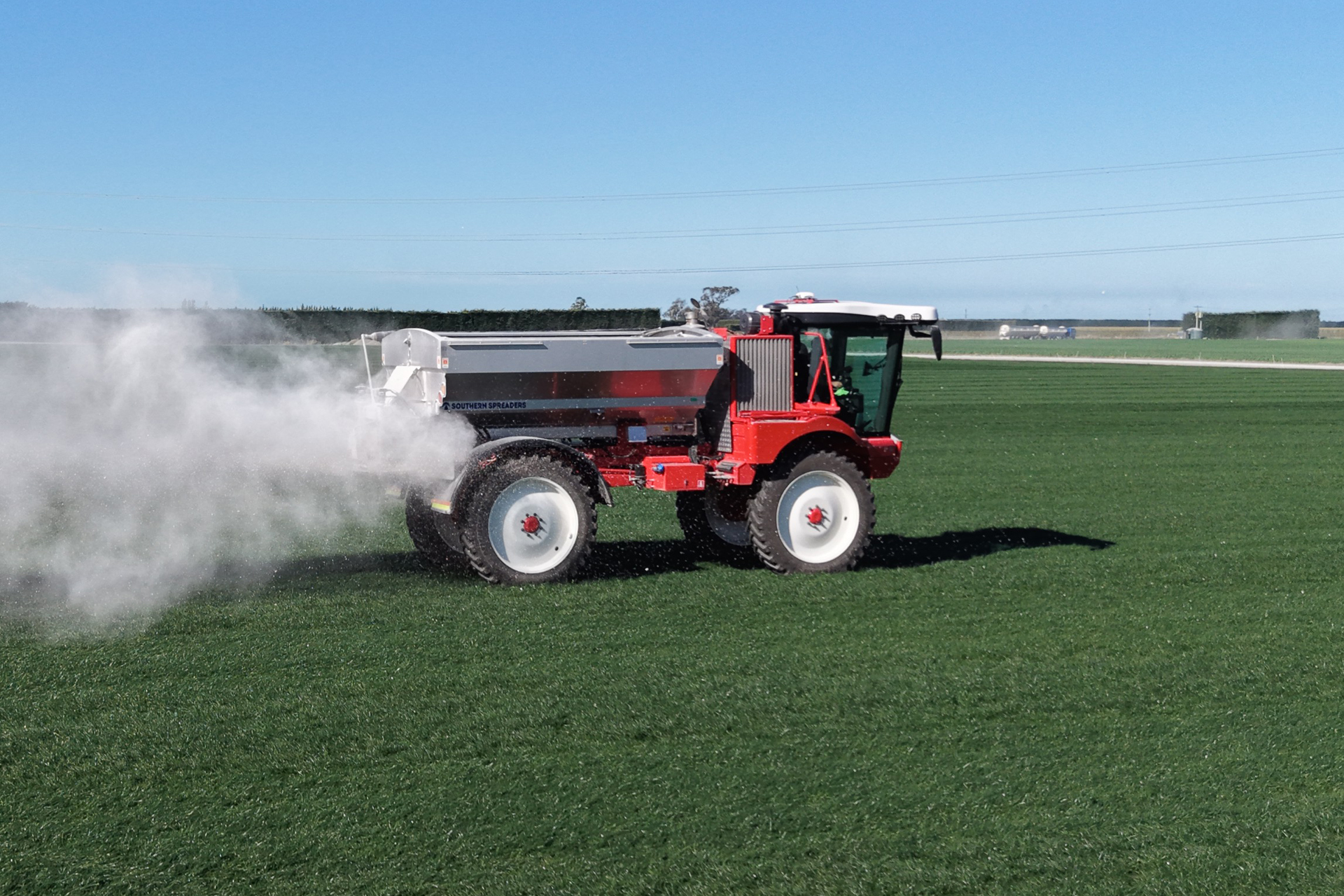
Why Bateman continues to stand out
James believes Bateman’s reputation has been built on a clear philosophy that has remained consistent over the years.
“I think it’s because of the ethos that Richard, and now Jason, have carried forward. The quality of the machine, the reliability it provides and the simplicity of operating it makes sure the job gets done when it’s needed.”
According to James that commitment has remained unchanged throughout Bateman’s evolution.
“Right from the start with the HiLo through to today’s RB60, that same design-thinking is still at the forefront of the machines.
“The new joystick and control system is a great example of how Bateman think about the operator. They have mirrored the controls through the screen, joystick buttons and the buttons on the panel. You can even choose manual functions via switches in the console.
“What Bateman has essentially done is offer four ways to control functionality depending on what is most comfortable for you. It also means that should something fail; you have the ability to swich to another control mode and carry on with your day.”
Supporting farmers on the other side of the world
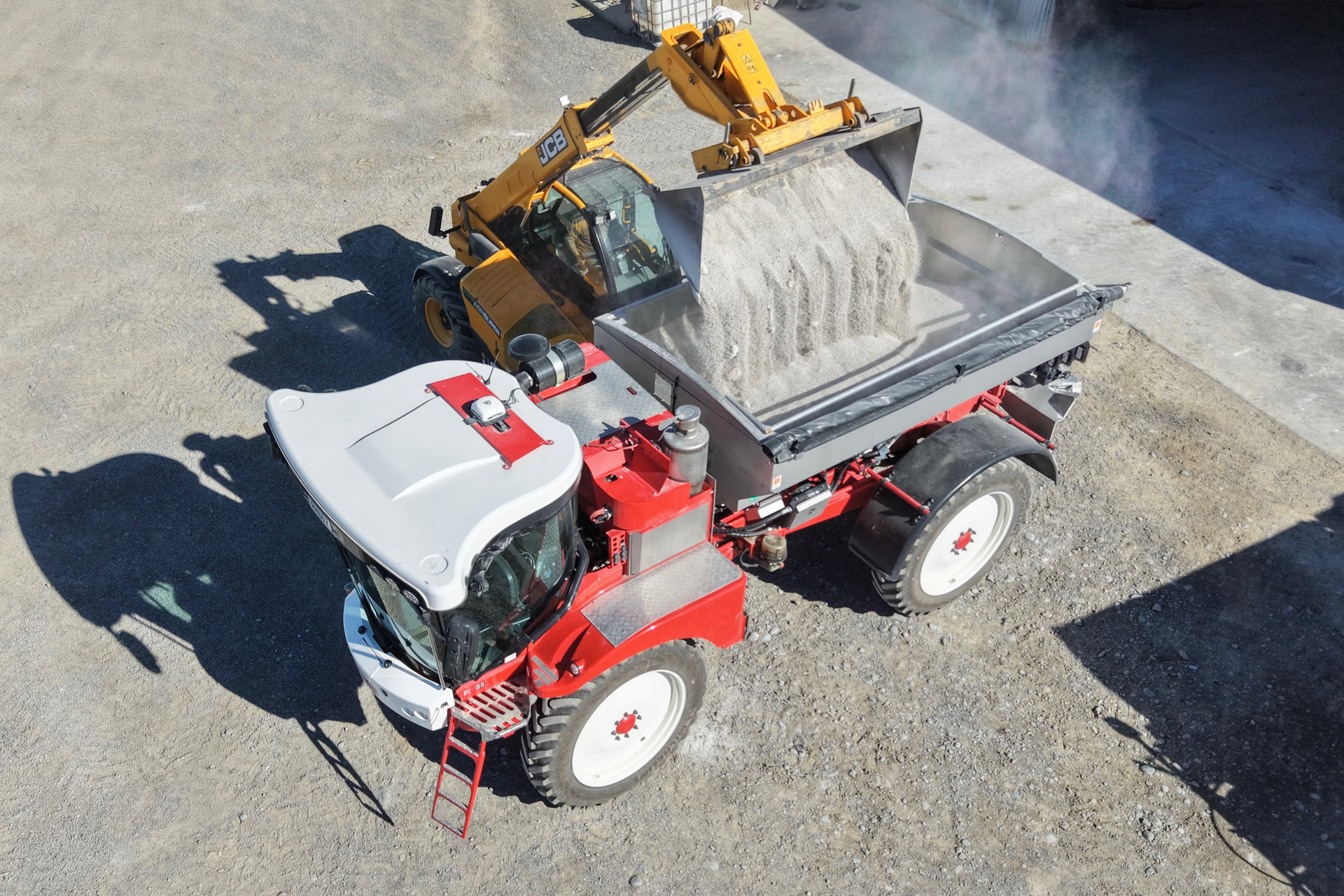
For operators working within tight spraying windows reliable support is essential. That’s where Bateman’s partnership with Molloy Ag and the commonality of parts across machines make a real difference.
“We’ve got close to seventy Bateman machines now in New Zealand, we run eight ourselves. For us, on the other side of the world, back up is critical.
“The support we receive from Bateman is absolutely fantastic. Also, the ability to run parts across multiple machines makes a real difference, which underlines my point about the simplicity of running Bateman machines.”
An English machine in New Zealand
And after years spent farming and working across two countries there’s one final reason Bateman remains special.
“To be honest, it’s great as an Englishman in New Zealand to have such an iconic English machine in the country. I’m looking forward to receiving delivery of the new RB50 and RB40 this year and can’t wait to get behind the wheel.”
For James, Bateman represents more than a sprayer. It’s a connection to his farming roots, a trusted machine for his day-to-day spraying work and proof that British engineering continues to earn its place on farms around the world.
If you’d like to know more about Bateman’s partnership with Molloy Ag, you can read our interview with David Molloy here ››