Bateman Sprayers | News | Company Updates | Boom or bust: An interview with Sam Bagshaw
Boom or bust: An interview with Sam Bagshaw
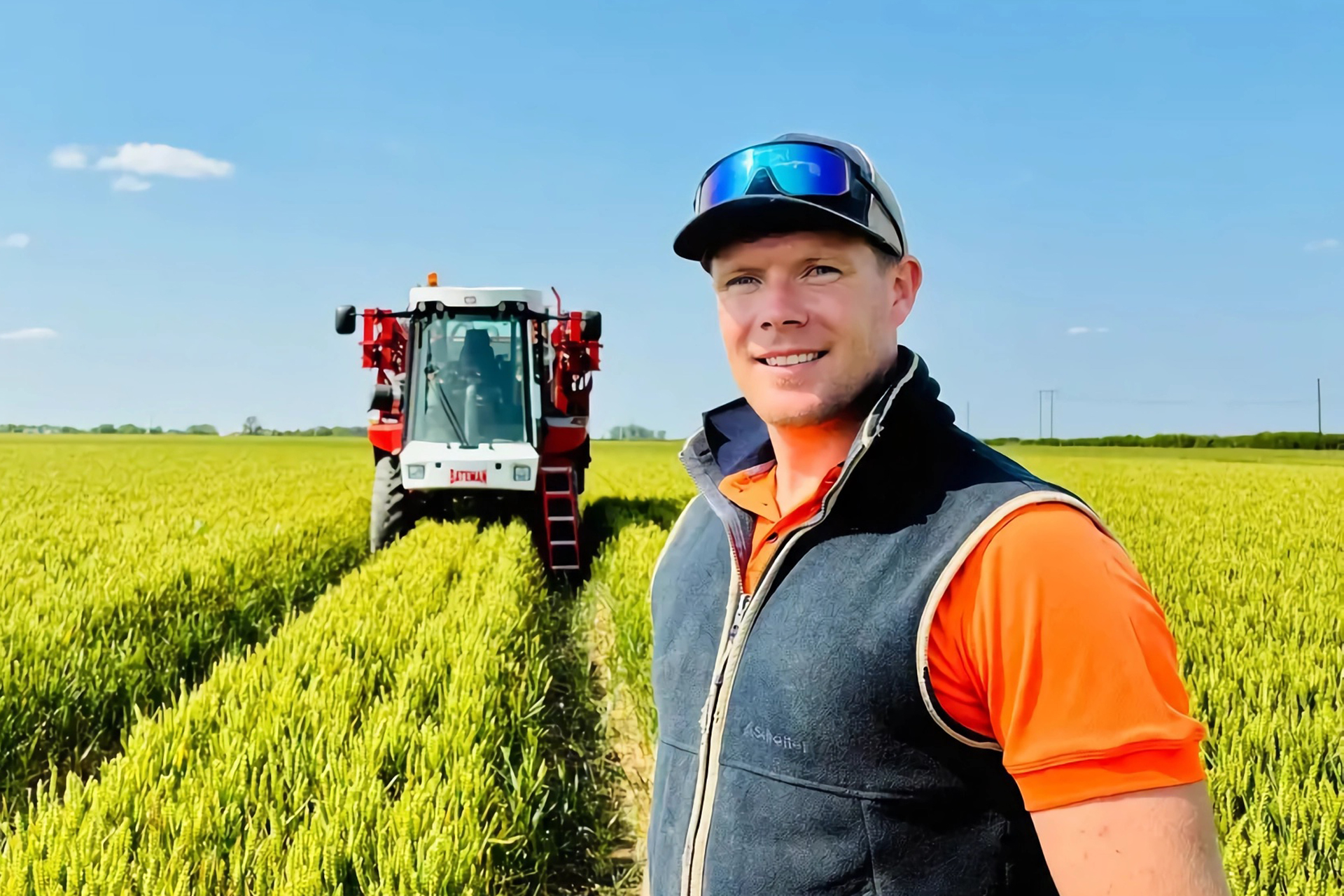
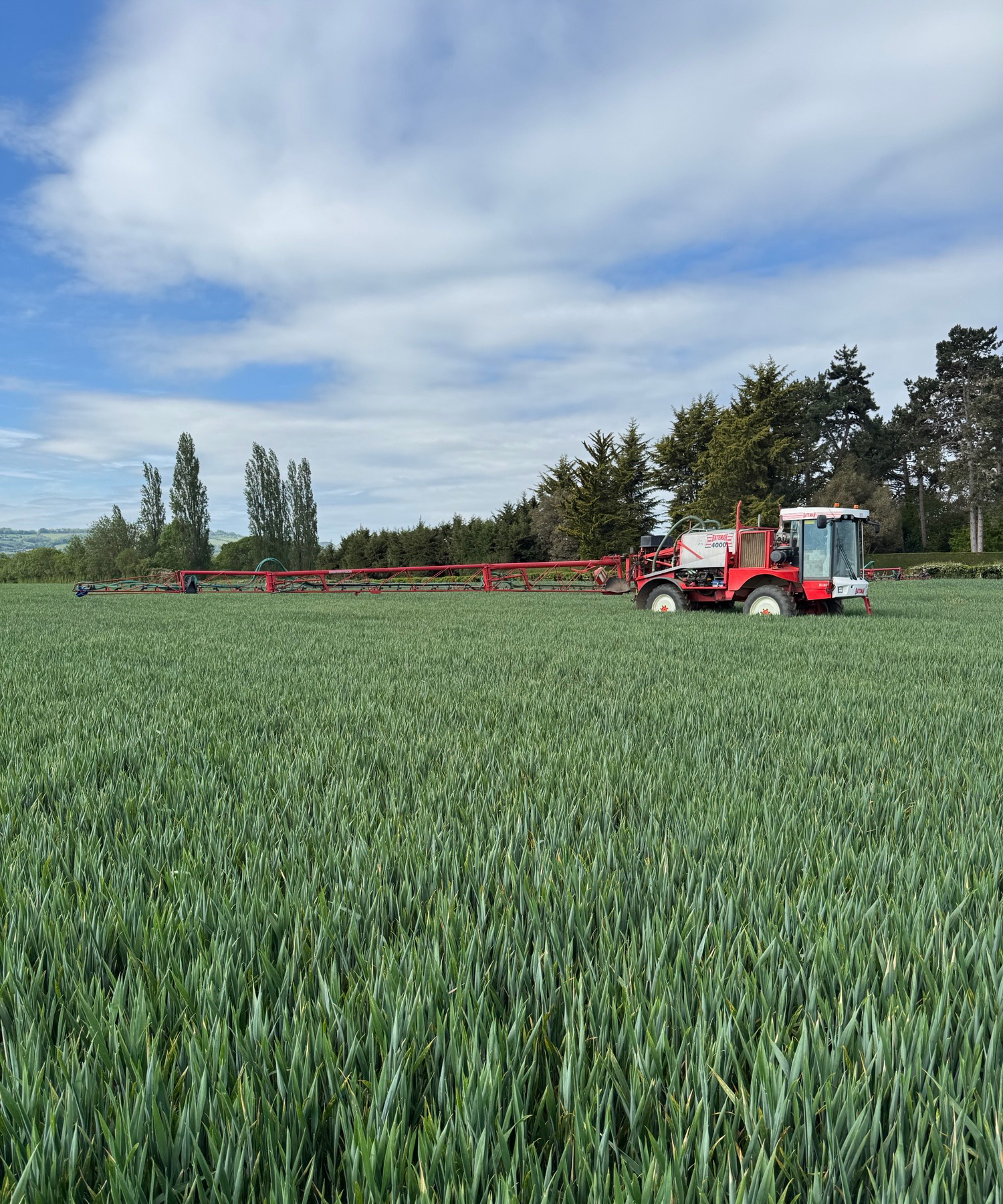
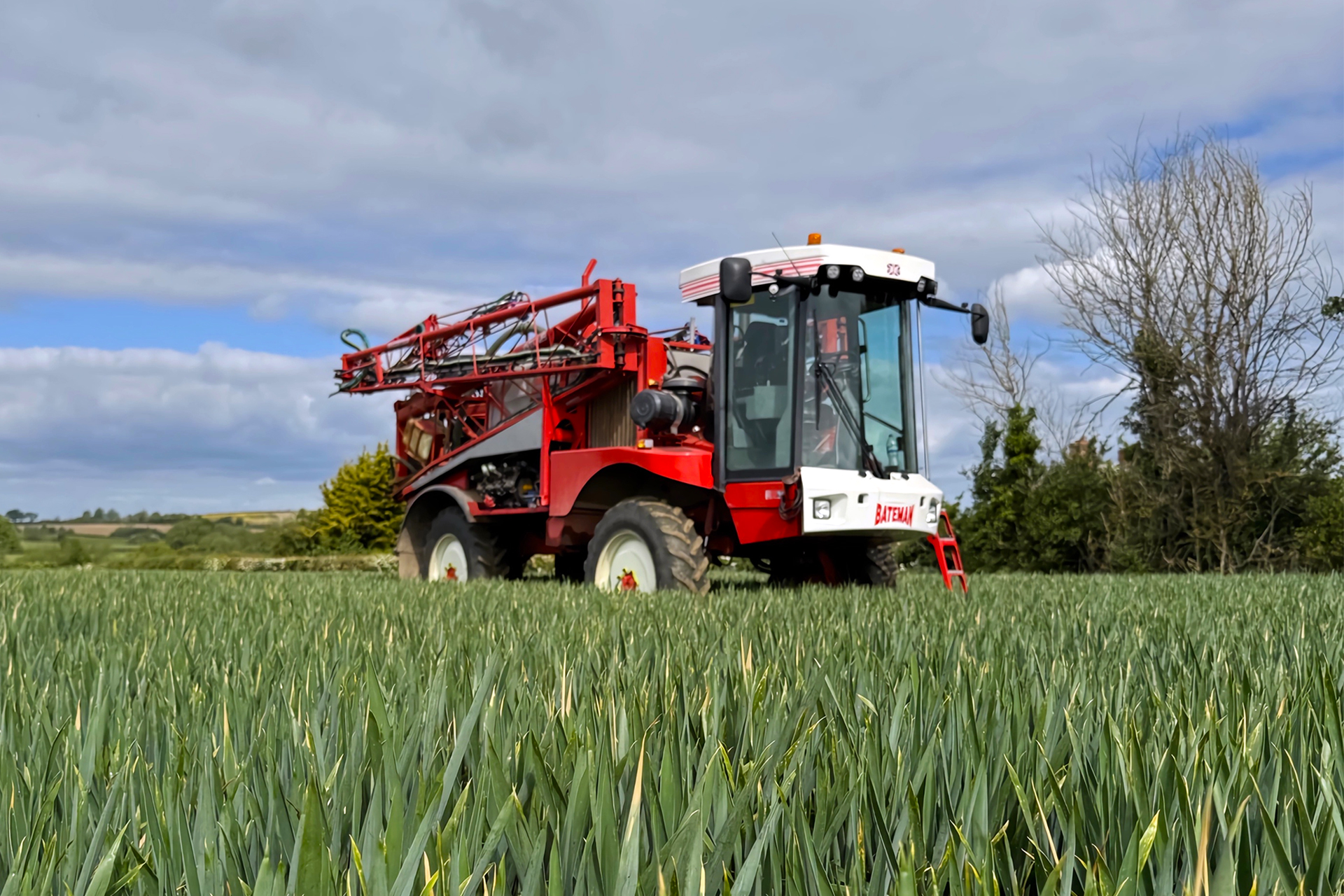
“I’m Sam Bagshaw, a farmer and agricultural contractor based in Warwickshire. Alongside the day-to-day demands of livestock and arable farming, I spend much of the spring chasing weather windows in my 2013 Bateman RB35.”
“This is my diary from April, a month where every forecast feels like a gamble. One minute it’s too wet, the next too windy and if the rain misses you again, crops begin crying out for moisture while disease pressure keeps building. Welcome to my spring balancing act.”
Racing the weather
“The prospect of spraying didn’t look promising for the entire week. Wind and rain had dominated the forecast, but remarkably, by Wednesday evening, spraying on Thursday suddenly looked achievable, at least until mid-afternoon. If I could get going early enough, I reckoned I’d finish the job before conditions turned.
“I arrived at the farm around 8am, a heavy dew was still hanging over the crop. For this regular customer I spray a large 112-hectare block of winter barley, so logistics matter. I tow a trailer behind the sprayer with all my chemical in ready to go, a bowser is already left in the field for me. It saves a huge amount of time when you’re working through multiple fills in a tight weather window.
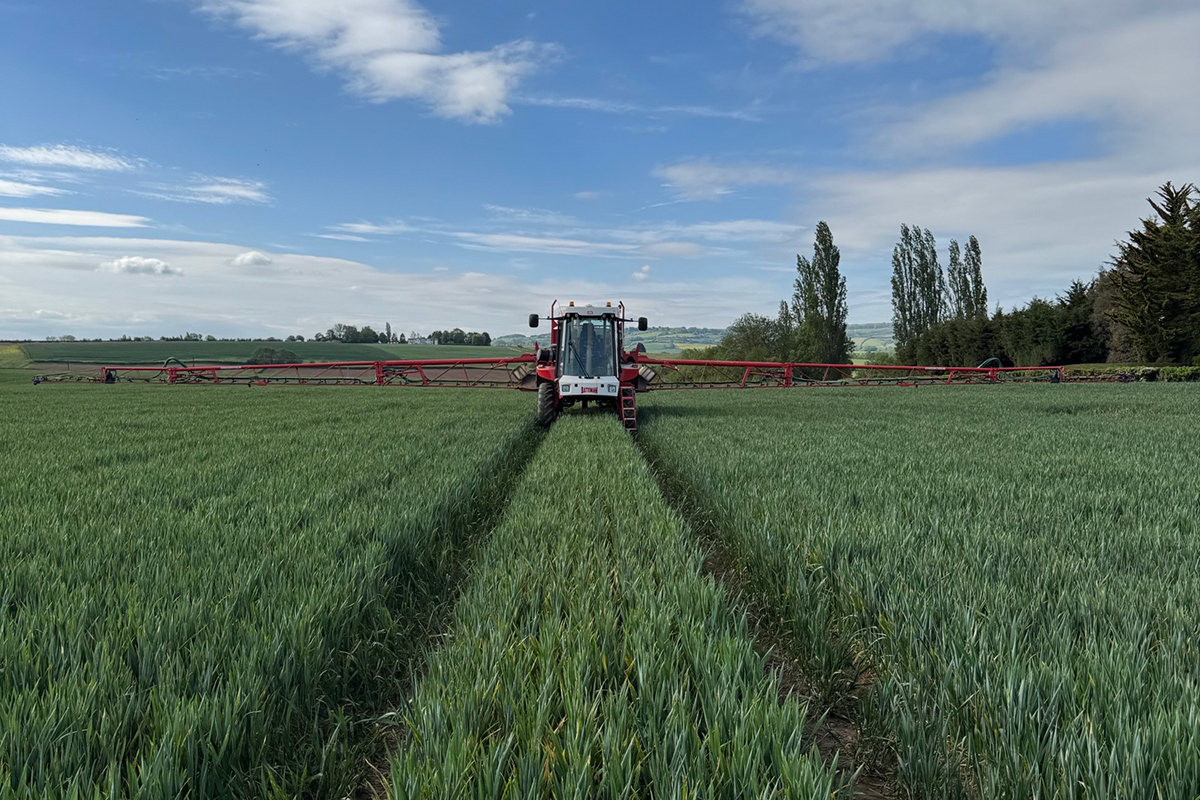
“By 9am I was underway. There was already a breeze building, predicted to gust up to 30mph later on, however, early conditions were steady, the leaf had dried nicely. The job was a T2 fungicide and growth regulator pass on the barley, most likely the final pass through that crop.
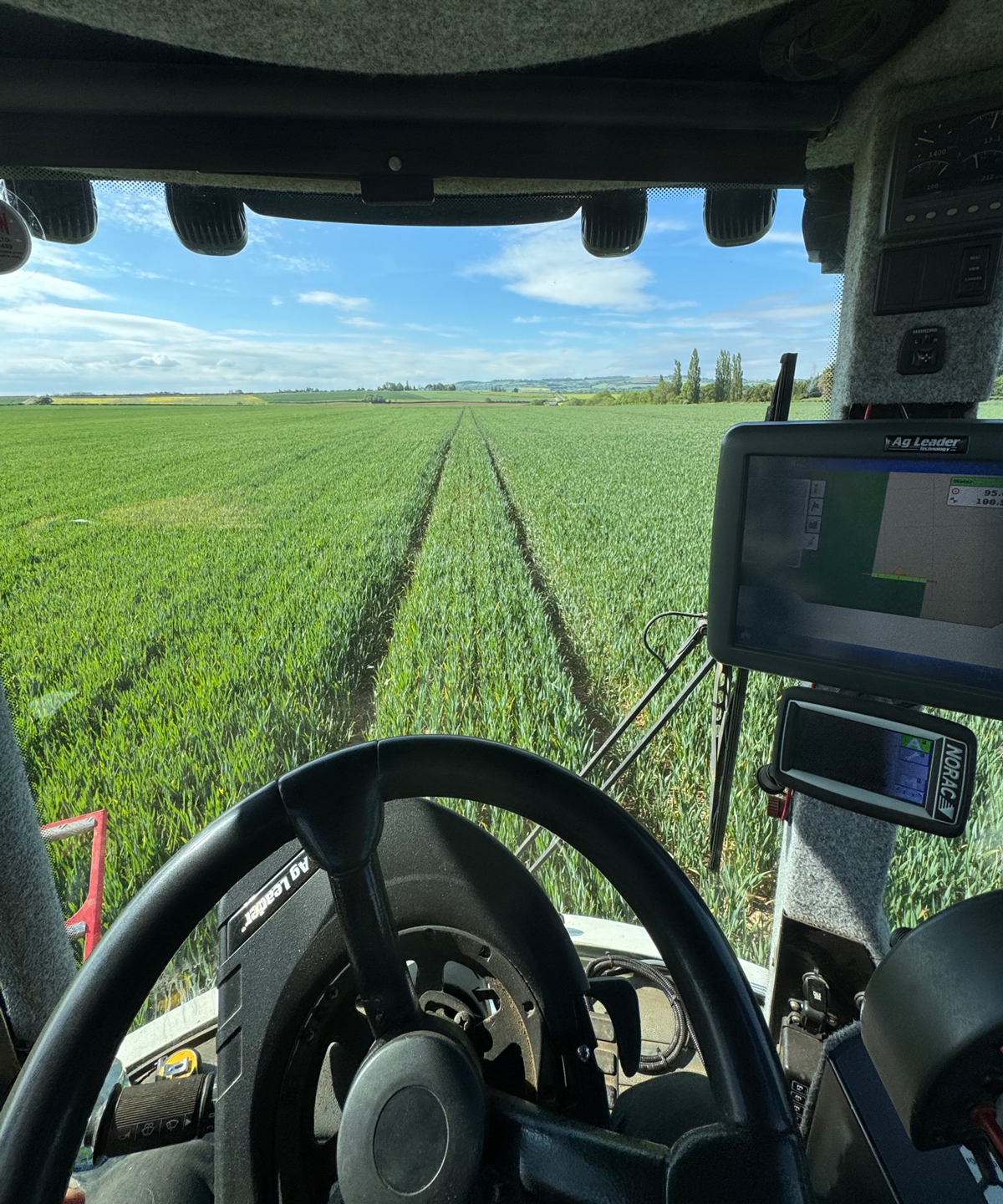
“The wind became uncomfortable by late morning, but then, almost unexpectedly, it dropped around midday and conditions turned to perfect. Running 100-litre/ha Amnistar air-induction nozzles, the sprayer settled into its stride and I finished the block by 2pm.”
Answering the call
“That same week, I was contacted by a farm a few miles away. Their sprayer had broken down (not a Bateman), they needed urgent help to keep up with fungicide timings on forward cereal crops. Conveniently, my machine also runs a 32-metre boom, so I was able to slot straight into their tramlines.
“We started with a 22-hectare block of wheat, before parking up ahead of forecast rain. I left the sprayer there overnight and borrowed one of their vehicles to drive home, which made the logistics easier.
“The next morning conditions were favourable again. Wheat first, then onto forward winter barley. The wind picked up through the afternoon, so I switched from my standard setup to 3D 90 nozzles and ran at 180 litres per hectare. They produce a coarser droplet and cope brilliantly in breezy conditions with very little drift.
“Everything we sprayed was at a critical stage, fungicides and plant growth regulators on crops that were well forward after early drilling and a warm spring. The barley was already pushing towards ear emergence and timings couldn’t really wait. By the time I headed for home, the heavens opened. Luckily, it had held off just long enough.”
Keeping the wheels turning
“A few weeks earlier I’d noticed an oil leak developing on one of the sprayer pumps. It was nothing major, but enough that every couple of days I was topping it back up.
“Andy from Bateman rang on Thursday evening, he would be passing through the area on his way back from Scotland on Saturday. He offered to stop by early morning.
“True to his word, Andy arrived at 7am sharp. By the time I reached the yard, the pump was already stripped down, he tightened everything, checked it over and had it rebuilt before most people had finished breakfast.
“We ran water through the system, which was clear. I tested it all day afterwards and never saw another drop of oil.”
Life beyond the boom
“Spraying might dominate the diary at this time of year, but livestock work doesn’t stop. When the weather turned too windy to spray, my attention shifted back to the farm.
“Feeding cattle came first every morning. Our cattle are all on mixed ad-lib rations fed through hoppers, which takes a lot of strain out of feeding compared with bagging by hand. Next up was mixing another ration to cover the next few days.
“Then there were sheep to check. Lambs and ewes needed drenching; dirty sheep had to be dagged to prevent fly strike – warmer weather had already started bringing blowflies out far earlier than normal.”
No cause for alarm
“You don’t need an alarm clock when you’ve a baby in the house. As I was already awake, I headed for a customer’s field before dawn and got on with applying T1’s on winter wheat which consisted of a fungicide and a PGR. I was finished in time to attend our friend’s baby’s first birthday party, which, of course, was never in doubt!
“Despite a lack of rainfall, crops still looked strong, especially the winter barley, but gravel patches were beginning to show where moisture was running out. The wheat, meanwhile, remained impressively clean.
“A new variety of wheat we’re growing this year, Bamford, a group 3, is looking promising for yield and can go for biscuit if it makes the grade. I know of a lot of people who are growing it, although brown rust susceptibility remains a concern.”
Making the most of it
“Uncertainty has always been part of farming and spraying. You learn to work with what you’ve got, make the most of every weather window and keep looking ahead to the next opportunity.
“However busy or unpredictable it gets; I love the lifestyle, the long days in the Bateman and seeing the results later in the season make it all worthwhile.
Sam features in episode two of our Spraying Alive podcast, you can listen to it here ››